- 1 Introduction & Organization
| Books | Supplementary Material |
|---|---|
| 2 - Children of Light SS Program(1).mp3 _ _ _ _ _ _ |
Children of Light Curriculum Overview
Throughout the Coptic Orthodox Church, there are a variety of many great Sunday School Curriculums. All curriculums attempt to provide students with balanced teachings of Dogma, Bible, Rituals, History and Spiritual Social Studies. The Children of Curriculum continues with a similar objective, yet with a few objectives in mind. First, curriculum serves as teaching material to take a child considered a catechumen to become a servant of God. Such a process is lengthy, yet through the grace of God achievable. In the conversion of a catechumen, there are 3 stages to their discipleship: The Story, The Movement of the Heart and the Consecration.
Our Lord even clearly “ desires all men to be saved and to come to the knowledge of the truth.” (1 Timothy 2:4). By first being exposed to the knowledge, the movement of the heart is more natural. Once you know the Creator, have seen what he has done for you, it opens the door for the heart of man to be moved. The Movement of the heart ensues, but is filled with challenges. “My child, when you come to serve the Lord, prepare yourself to endure trials.” (Sirach 2:1). Once a person discovers their path to God, the enemy will surely attempt to snatch the peace of God out of their hearts. They will be fought with doubts, with despair, with trials of all kinds. “The thief does not come except to steal, and to kill, and to destroy.” (John 10:10). The catechumen will encounter a dichotomy, being presented with two options: to intensify one's commitment and consecrate oneself, or alternatively to revert to one's previous ways.
The curriculum then attempts to go through this process with the child. Through younger ages, such as pre-school and elementary, the curriculum focuses entirely on the story. This inline with their psychological development, which will be addressed in more depth shortly, as they only begin their own sense of morality and fairness by the age of 11-12. At this stage then begins the movement of the heart, with a hope that over the next few years, their heart is moved such that they are willing to join pre-servants by Grade 9 or Grade 10. Should the students not be ready, the cycle restarts but in an accelerated fashion from Grade 9 to Grade 12, where Grade 9 would be to refocus on the story, Grade 10 on the movement of the heart and finally Grade 11-12 aiming for consecration once more.
Themes and Psychological Development
While pursuing the conversion of the child into a servant is the ultimate goal, the objective is broken down further throughout the years. By understanding the student and their psychological stage, we can more accurately engage their attention by speaking of subjects they subconsciously are thinking about and trying to discover. As such, Each year's curriculum is developed with an understanding of the different developmental levels of the child psychological stages and subsequently associated with a relatable yearly theme. This ensures that the curriculum is challenging but not overwhelming for children and that it helps them to grow and develop in all areas.
Each year has a specific theme, and each lesson that was developed touches on that theme to some extent. While not all lessons of the year are entirely focused on the theme, each lesson touches on the theme to varying degrees, making allusions, references, or providing subtle hints that encourage students to explore the theme in greater depth. This approach serves a dual purpose. Firstly, it allows for the exploration of the theme from multiple angles and perspectives, fostering a deeper understanding. Secondly, by implicitly teaching and reinforcing the theme throughout the year, it becomes an integral part of the students' psychological development. Through repeated exposure and exploration, the theme becomes embedded in their minds, shaping their beliefs, attitudes, and behaviors.
The themes of each year in the curriculum are carefully chosen to build and progress in a deliberate and sequential way. It is, therefore, preferable to teach the years in the sequence they are presented. In some cases however, smaller churches may need to combine grades due to limited resources or class sizes. In these situations, it is recommended that the curriculum years be rotated. For example, in a middle school class with grades 6-8, the curriculum could be taught in the following order:
Year 1: Grade 6
Year 2: Grade 7
Year 3: Grade 8
This way, all students in the class will be exposed to all three curricula over the three years of middle school. It is important to note that this is just a suggestion, and there may be other ways to rotate the curriculum years that work better for a particular church or class.
The Yearly Sequence
The initial stage of the catechumen needing to be addressed is the story, which involves choosing themes while keeping in mind their developmental stage and building upon each other. This is a crucial step in the catechetical process, as it lays the foundation for the faith formation of the catechumen. The stories will:
- Use a variety of story types, such as Bible stories, parables, and saint stories.
- Tell the stories in a way that is engaging and interesting.
- Use visuals, such as pictures, puppets, or props, to help the catechumens to understand the story.
- Help the catechumens to apply the story to their own lives.
Starting with KG, the children are to discover that God’s love is our greatest source of happiness. Making this amazing and wonderful God personal and loving. They learn aspects that please God (such as small services, sharing, being appreciative, giving apologies), and that which saddens the heart of God - all through the means of stories. They are then introduced to the type of relationship they have with God and its meaning. Fascinated by rules, superheroes while surrendering to adult principles, it is fitting to speak to the children of our God’s mighty Fatherhood. His power, authority, blessings & representatives are explored throughout Grade 1. Similarly, in Grade 2, having seen and understood who their spiritual Father is and as the kids are sensitive to adult evaluation while desiring fairness and structure, we introduce them more thoroughly to the living sensitivity and care of their spiritual mother; The Church. This family, the church, will help them grow in the path of perfection they are seeking and help influence their decisions wisely.
As the children are growing to understand concepts, depending more on inter-relationships and seeking to make right decisions, the Grade 3 curriculum turns to the relationship with their brothers and sisters. One that must be governed by Respect & Honor; doing unto others as you would have others do unto you. Achieving this consistently, though makes sense, is challenging, and as they grow older and energetic in Grade 4 while showing signs of responsibility, the Grade 4 curriculum focuses on the virtue of discipline. Discipline in our worship, in our applications of scripture, in our fastings and in our inter-relationships in the world. Finally, as we move to Grade 5, as they develop a sense of morality at a time where they are challenged with fairness issues, are developing a mature sense of right and wrong and have a stricter ethical sense, it seems to be an imperative objective to teach the dependency of faith with morality.
Simplifying this into a table would look as such:
| PK | Introduce God as powerful, wonderful, the source of every good thing, and full of goodness |
| KG | Make this amazing and wonderful God personal and loving. |
| Grade 1 | Make the relationship with God more intimate. He is my Father. Not only does He love me, but He can do all things. All-Powerful, All-Loving, All-Present. |
| Grade 2 | Now that the kids have a relationship with their Father, we build the relationship with their Mother, the Church, which cares and nourishes her children. |
| Grade 3 | Afetr establishing relationships with their Father and Mother, we turn their attention to the relationships with their brothers and sisters. Do unto others as you would have others do to you. |
| Grade 4 | In order to maintain healthy relationships with God, Church, and others, I must practice discipline. As they grow, we emphasize the importance of personal accountability and responsibility. |
Growing in disciplines leads me towards virtue and morality. Discipline helps support Grade 5
my faith, which helps me build trust in God and helps me live by his morals and virtues.
There is a big transition in the curriculum from G5 to G6. The emphasis shifts from building foundational material to focusing on their role in society, and building up their personal relationship with God, responsibility, and accountability. Again, this is in an attempt to begin developing a movement of heart. Having begun the movement of the heart and seeking to apply spiritual morality to their lives, we turn to scripture as the living authority and guide in Grade 6. The student dive into its structure, its composition, its authority and most importantly in how it guides us to be Living Bibles ourselves. Then, children that are 11 or 12 years old begin questioning their parents faith. then becomes critical for them to know, understand and choose, on their own, their Christian way of life. This is achieved through teaching and building in them the virtue of Discernment. Being moody, impulsive, with extreme emotions, unable to make decisions yet desiring to be independent; learning and acquiring discernment throughout the year is imperative. Finally, converging in this movement of the heart period, the curriculum attempts to converge their faith and dedication to the Orthodox Church. This falls perfectly inline with their desire to become independent and self-reliant. The servants are then to equip them with the value of Orthodoxy in their moral life, and day to day approach. By the end of the year, it would be natural to find some youth expressing desires to enter this pre-servant program. As they are often challenged with boredom, it is advisable to wait another year before admitting the eligible students to the pre-servants program. Grade 10 student tend to think more long term, while the Grade 9 curriculum still attempts to teach them value lessons in their life of consecration. Levels of temptations increase significantly in this period and it becomes very fitting to equip them with the desire for the virtue of self-control. Controlling these peaking desires thus needs to be presented as a beautiful virtue to which they can choose and aspire for as an aspect of their independence.
Finally, the cycle repeats as the curriculum attempts to stir up the heart in Grade 10 by focusing on the life of repentance. As they grow in understanding consequences of behaviors, they are re-introduced to the fall, the purpose of the incarnation and its connection to our needed repentance. In grade 11, they tend to rethink their friends. This year seeks to present Christ as their friend; their intimate friend who will be dedicated to them in loyalty forever. Accordingly, we likewise bring our relation to deeper levels: consecration; a dedicated life with Him. In Grade 12, as they near full maturity, service becomes the direct objective of life and the students get an abridged catechetical summary of the spiritual life.
Similarly, simplifying these grades into a table would look as such:
| Grade 6 | I must live out my faith and show God to the world through my actions. My way of life should represent God and His Word to people. |
| Grade 7 | How do I make good decisions? The Bible is my road map. Therefore, it is the basis for my decision making. |
| Grade 8 | We begin to encourage the children to make a conscious decision about their faith. Their first big decision is to make their faith their own, not just the faith of their parents. It is personal. |
| Grade 9 | Choosing my Christian faith leads me to TRUE independence. We teach Christian independence which must be guided by self-control, otherwise “independence” leads to sin. |
| Grade 10 | Discernment, Faith, Independence and Self-Control all help keep me on the right path. But, when I fall, I get back up through repentance and confession. |
| Grade 11 | We focus on a life of Holiness. I am dedicated, consecrated to God which makes me different from the world. This year seeks to present Christ as their friend; their intimate friend who will be dedicated to them in loyalty forever. |
| Grade 12 | The ultimate goal for our children is to direct their holiness towards service to God and others through whichever path God has chosen for them. |
Building Blocks & Milestones
Each year's theme in the educational program is strategically divided into manageable and coherent building blocks. These building blocks serve as the foundation for the year's curriculum, ensuring a structured and cohesive learning experience. Within each building block, lessons are carefully grouped together based on their relevance to the overall theme. This thoughtful organization allows children to explore related topics in a sequential manner, fostering a deeper understanding and retention of the material.
The interconnections among the lessons within a building block are meticulously crafted. Each lesson independently developed from the previous ones, yet interrelated, creating a natural progression that encourages children to engage in critical thinking and problem-solving. This continuity not only reinforces learning but also promotes a sense of accomplishment as children witness their own intellectual growth.
By organizing lessons into building blocks, the curriculum provides a supportive framework that enables children to make meaningful connections between various concepts and ideas. Regularly reminding the children of the theme and the building block , children can see the bigger picture and develop a comprehensive understanding of the theme. Additionally, the building block structure allows for flexibility and customization, enabling servants to tailor the curriculum to the unique needs and interests of their students, as well as adapt seasonal lessons to their appropriate week. Seasonal lessons can be moved around freely, they are not organized chronologically due to the variance in the coptic calendar.
While proper communication of themes and building blocks help youth remain connected to the material, servants should also consult the end of year milestones and tie them into their lesson when appropriate. These outcomes are split in Scripture, spiritual, social, and rituals that are intended for children to achieve by the end of the year. These milestones help to track children's progress and ensure that they are making progress in all areas of development. So each lesson is intended to somehow tie to one or more of these objectives or milestones.
What you will find: PK-G5 Lesson Features
The curriculum provides lesson plans and slides from PK to Grade 5. The plan has four independent sections: the preparatory elements, the Lesson, Supplementary Material and the Review. The Servant preparatory elements are broken into four. It provides you with the materials needed to execute the plan as is (whether it be physical material to be purchased, references or links), the objective or message that is being focused, the moral virtues addressed and the memory verse linked to the lesson.
The lessons are then split with the introduction attempting to be creative to help the kids to move from being passive participants to an active participant in the lesson. The lesson body and delivery then ensues with delivery proposals for the servant, where they can choose when to stop and on what to focus. The lesson bodies are very detailed in the curriculum. The committee chose to make the lessons this detailed for several reasons:
- Providing more detail helps for the edification of the servant.
- The servants know what their children can handle. If the lesson is too much for their children, they can use their discretion to trim the lessons. However, if the lesson is trimmed it is important that the key relevant features of the curriculum (Themes, Objectives & Milestones, Scriptural, Liturgical, Patristic reference etc.) be preserved as much as possible.
- Having a more detailed curriculum with many references helps to free their servants time to figure out how to effectively present the lesson to their children and how to connect with their class rather than trying to find references and resources.
Certain aspects of the lessons are also included for the edification and education of the servants who prepare the lesson such as, Detailed discussion points, Patristic sayings and Reference citations. Remember however, even though the curriculum provides everything, the lesson is not a set of information and knowledge being delivered to the children. The lesson is meant to be a spiritual delivery and thus, proper preparation (with prayer, planning - yes, re-plan the lesson, and practice), as detailed in the lesson preparation section, still needs to be followed. Providing the given information verbatim will add nothing of value to the youth.
The next section detailed is the supplementary material where the curriculum will detail creative crafts, activities, movies or songs that can be used to enhance the lesson. These can be used prior, during or after the lesson as seen fit by the servant. They are meant to enhance learning.
The final section of the Children of Light lesson plan is the review, which plays a crucial role in reinforcing the key concepts and ensuring that the children have grasped the material.
Age-appropriate questions are provided to facilitate a thorough review of the lessons. These questions are carefully crafted to stimulate the children's thinking and encourage active participation. The lesson plan then reminds the servant, the person leading the lesson, to revisit both the memory verse and the moral focus one more time. This repetition serves to strengthen the children's retention of these important elements and emphasizes their significance. Additionally, the lesson application, also known as the "take home lesson," is delivered.
The lesson application section presents various applications that can be conveyed to the children. The applications chosen in the curriculum are designed to connect with the end-of-year milestones. The end-of-year milestones represent the expected outcomes of the curriculum in the children's lives, making these applications highly relevant and applicable to them. It's essential to note that the servant has the flexibility to replace the provided application if they deem it necessary. However, it is highly recommended to keep the end-of-year milestones in mind when selecting an alternative application. This ensures that the children continue to receive lessons aligned with the overall goals of the curriculum and that the end-of-year milestones are effectively addressed.
The review, memory verse, moral focus, and lesson application sections collectively form a comprehensive learning experience for the children. By engaging in these activities, the children have the opportunity to solidify their understanding, apply the lessons to their lives, and grow spiritually and morally.
What you will find: G6-G12 Lesson Features
The approach in the Grade 6 to Grade 12 portion of the curriculum changes. The earlier ages focus more on stories and activities while the older portion dives more into reflections and life applications. Stories are still used within them, but the lesson no longer revolves around only one story but rather revolves around the objective with supporting stories. As teenagers grow in the land of immigration, they are faced with many atheistic principles and the curriculum attempts to pursue the lessons from an apologetic approach, when possible.
In the upper portion of the lesson plan, both the objective and application are enumerated in a manner similar to that employed in the younger age groups. However, in these lesson plans, they assume a more central focus. The references and resources utilized throughout the lesson are grouped together and made available for further reading. The lesson plan itself is then broken down into
several smaller lessons or 'hooks' designed to elicit four or five thought-provoking statements or questions. These bullet points or hooks come in seven distinct styles:
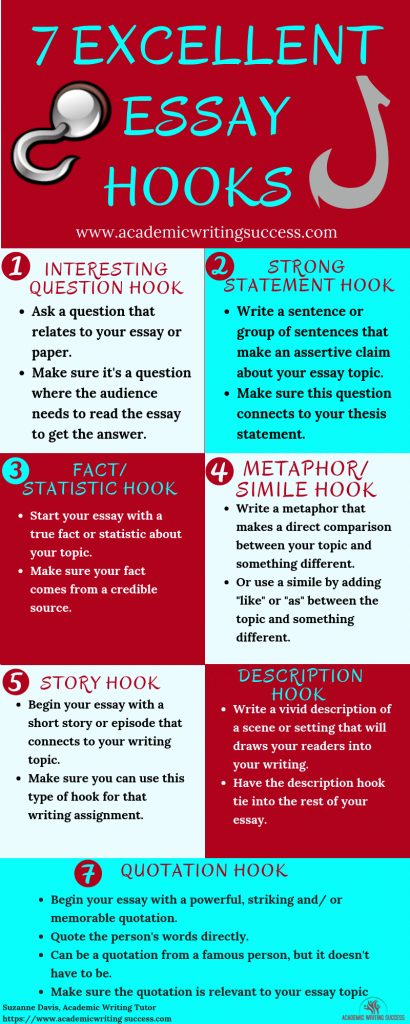
- Interesting Question Hook: This hook poses an intriguing question that captures the student's attention and sets the stage for further exploration.
- Strong Statement Hook: This hook presents a bold or controversial statement that sparks
curiosity and encourages students to engage in critical thinking.
- Fact/Statistic Hook: This hook introduces a compelling fact or statistic related to the lesson topic, piquing students' interest and providing a foundation for further learning.
- Metaphor/Simile Hook: This hook employs a metaphor or simile to create a vivid image or comparison that resonates with students and helps them grasp abstract concepts.
- Story Hook: This hook starts with a captivating story or anecdote that sets the context for the lesson and draws students into the material.
- Description Hook: This hook provides a detailed description of a person, place, or event that helps students visualize and connect with the lesson topic.
- Quotation Hook: This hook begins with a thought-provoking quote from a notable figure or text, stimulating students' curiosity and inviting them to explore the underlying ideas. It goes without saying that the objective is to seize the student's attention on multiple occasions throughout the lesson. Each hook is then followed by a more detailed lesson plan that supports or answers the given hook. Every lesson includes at least one of the following resources to facilitate comprehensive delivery:
- Scriptural: This resource draws on passages from the Bible to provide students with a solid scriptural basis for the lesson topic.
- Liturgical: This resource incorporates elements of the church's liturgy, such as hymns, prayers, or rituals, to connect students to the broader Christian tradition.
- Patristic: This resource features writings or teachings from early church fathers, offering students a historical perspective on the lesson topic.
- Story: This resource includes a story or narrative that illustrates the lesson topic and helps students relate it to their own lives.
Finally, if the servant attempts to create their own delivery, it is crucial to remember all these elements, including but not limited to: the yearly theme, the building block theme, the application and its connection to the end-of-year milestone, and the need for the lesson plan to incorporate scripture, liturgics, patristic writings, and stories. Additionally, it is essential to break down the lesson into engaging hooks that stimulate students' thinking.