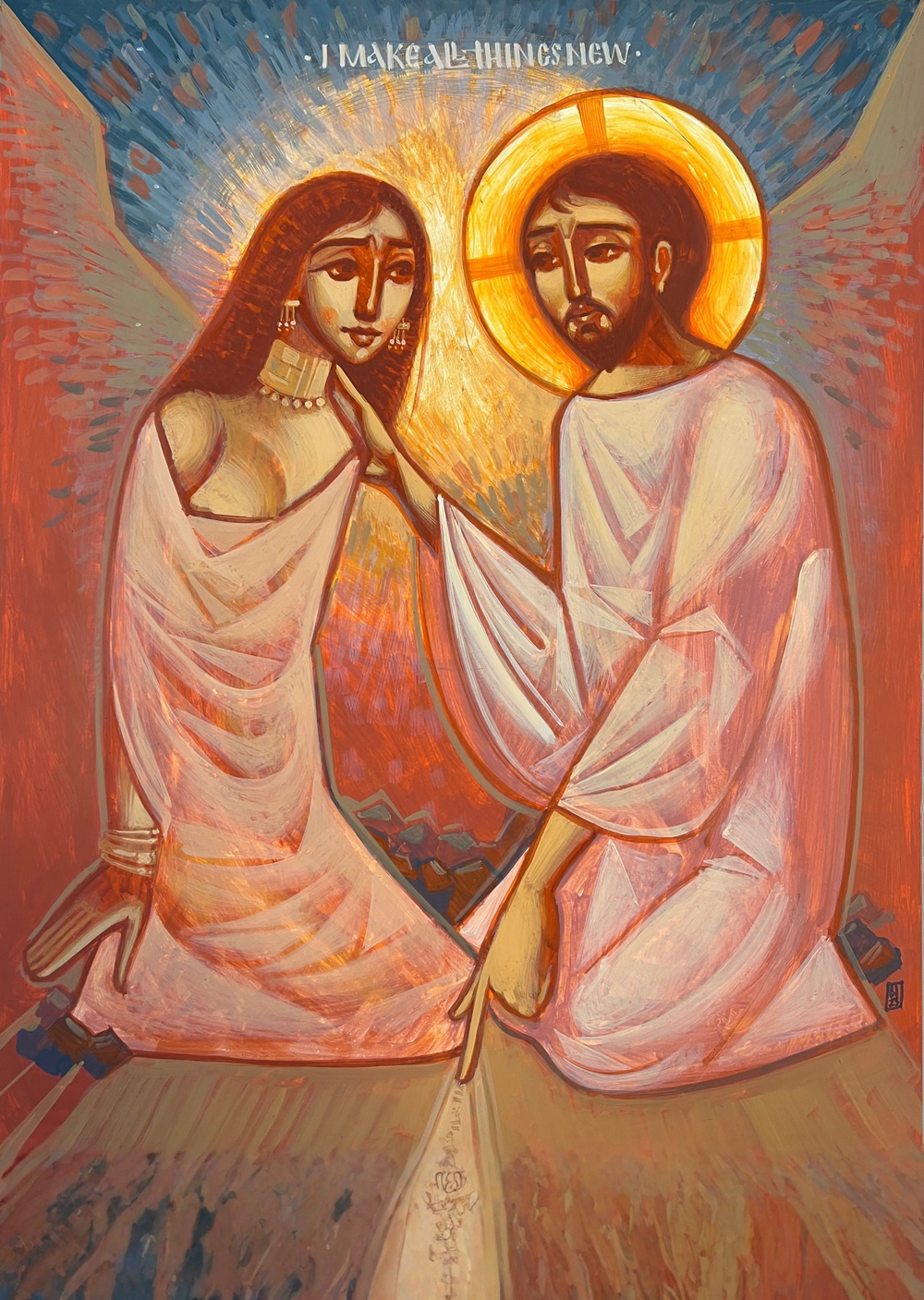
Christ the Bridegroom · I Make All Things New
Welcome, Wounded Servants.
Today we return. Not as we left — for no one who has truly served for a season returns unchanged. We carry more than we did on the first day: more love, yes, but also more weariness; more knowledge of God's goodness, but also more honest knowledge of our own poverty. We carry the weight of faces we could not reach, of seasons that bore less fruit than we had hoped, of prayers that seemed to pass through empty air. We carry the wounds.
This Spiritual Day does not ask you to set those wounds aside. It asks you to place them on the altar.
The word Wounded is not a comfortable word. It does not sit easily beside the polished language of ministry programmes and servant formation curricula. But it is an honest word — and the Fathers of our Church, who knew the cost of love from the inside, were never afraid of honest words. The Desert Fathers named their wounds with the precision of surgeons. St John Chrysostom preached from his wounds even as he was being marched into exile.
And there is one wound above all that stands at the centre of our faith — the wounds of the Risen Christ, still present in His glorified body when He appears to His disciples on the evening of the Resurrection. The wound is not erased by the Resurrection. It is transfigured by it. And it becomes the ground of belief.
Theme: Wounded
Drawn from the heart of the patristic tradition
The theme Wounded flows directly from Day One: having received the identity of "Beloved," the servant discovers that to love as the Beloved loves is inevitably to be wounded. The wound does not contradict the gift of belovedness — it is its deepest expression.
St Gregory of Nyssa, meditating on the Song of Songs, describes the soul struck by the arrow of divine love as one who has been not damaged but enlarged: every wound opens a new space that only God can fill. The Bride in the Song of Songs does not lament her wound. She announces it: "I am wounded by love" (Song of Songs 2:5).
The servant who has served with any depth of love knows the wound. It takes different forms in different lives: the pastoral wound of love given and not returned; the wound of self-knowledge before the immensity of the calling; the wound of the dark night, the season of dryness in which prayer seems to strike the ceiling and fall back; and beneath all of these, the holy wound of divine love — the aching longing for God that is itself a kind of suffering.
The Coptic servant carries this knowledge in the marrow of their tradition. The Coptic Calendar — the Calendar of the Martyrs, Anno Martyrum — begins in 284 AD with the accession of Diocletian. The Copts count time from the wound. This is not morbidity; it is the recognition that the wound is not incidental to the Church's story but constitutive of it.
The Aims of This Day
What we hope to receive and carry home
To help servants receive the theological truth that wounds are intrinsic to genuine love, not a deviation from it — and that the Cross is not the interruption of the servant's story but its deepest chapter.
To distinguish honestly between wounds that form and wounds that fester — and to equip servants with the spiritual tools to bring their wounds to God rather than to manage them alone.
To present the God who speaks within the wound — who meets His servants not by removing the wilderness but by entering it with them, and speaking to the heart there.
To help servants understand how their wound, offered to God, becomes the credential of compassion in serving others — a doorway, not a dead end.
To send servants home not with the wound resolved, but with it named, prayed over, and placed in the hands of the One who was wounded first.
The Shape of the Day
Four movements, one journey
Talks
Wounded with Love — Fr Emmanuel Iskander on the arrow of Christ
Contemplations
Twelve meditations on the wound and its transfiguration
Workshops
The Anatomy of the Wound & The God Who Speaks in the Wound
Closing
The Jar That Had to Be Broken — the sending message
Iconography
Icons from copticicon.com — with full theological commentary
Iconography
Icons from copticicon.com
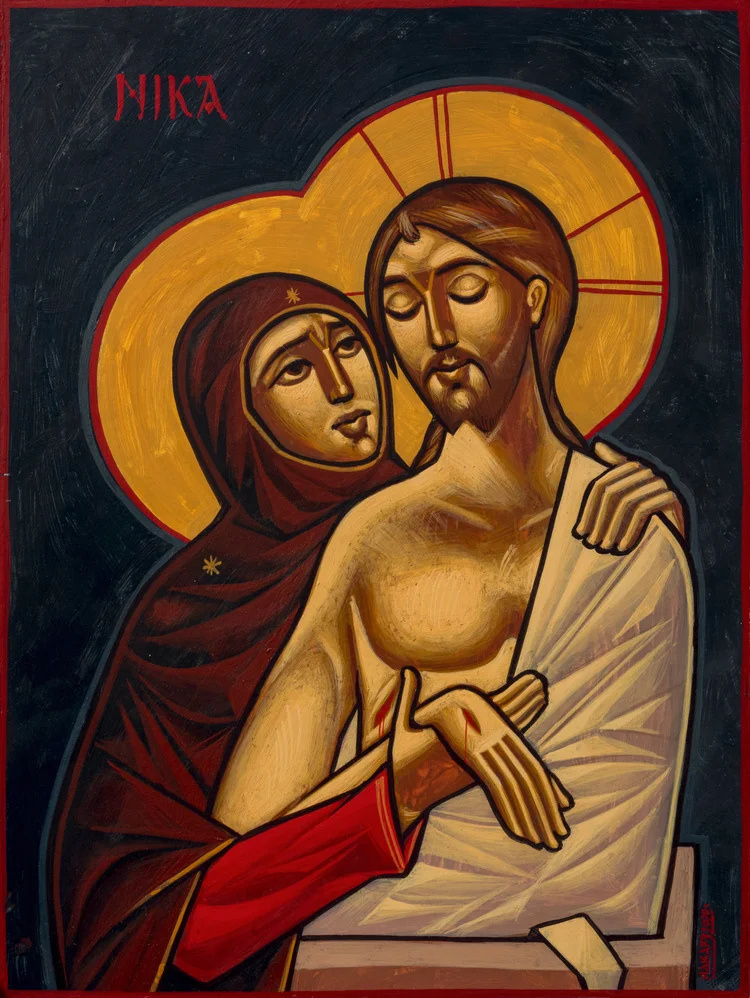
Christ the Bridegroom — Nymphios
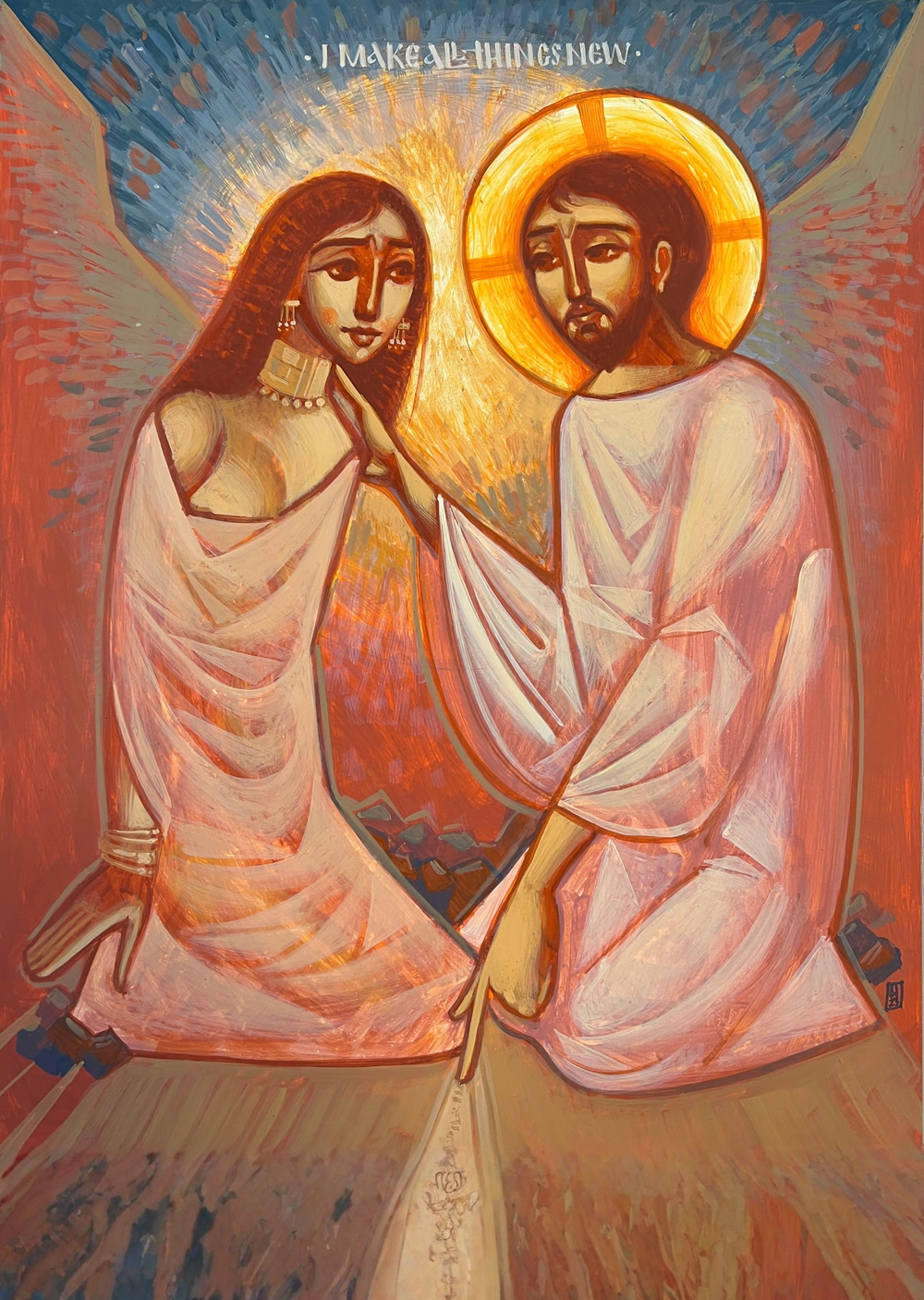
I Make All Things New · Revelation 21:5
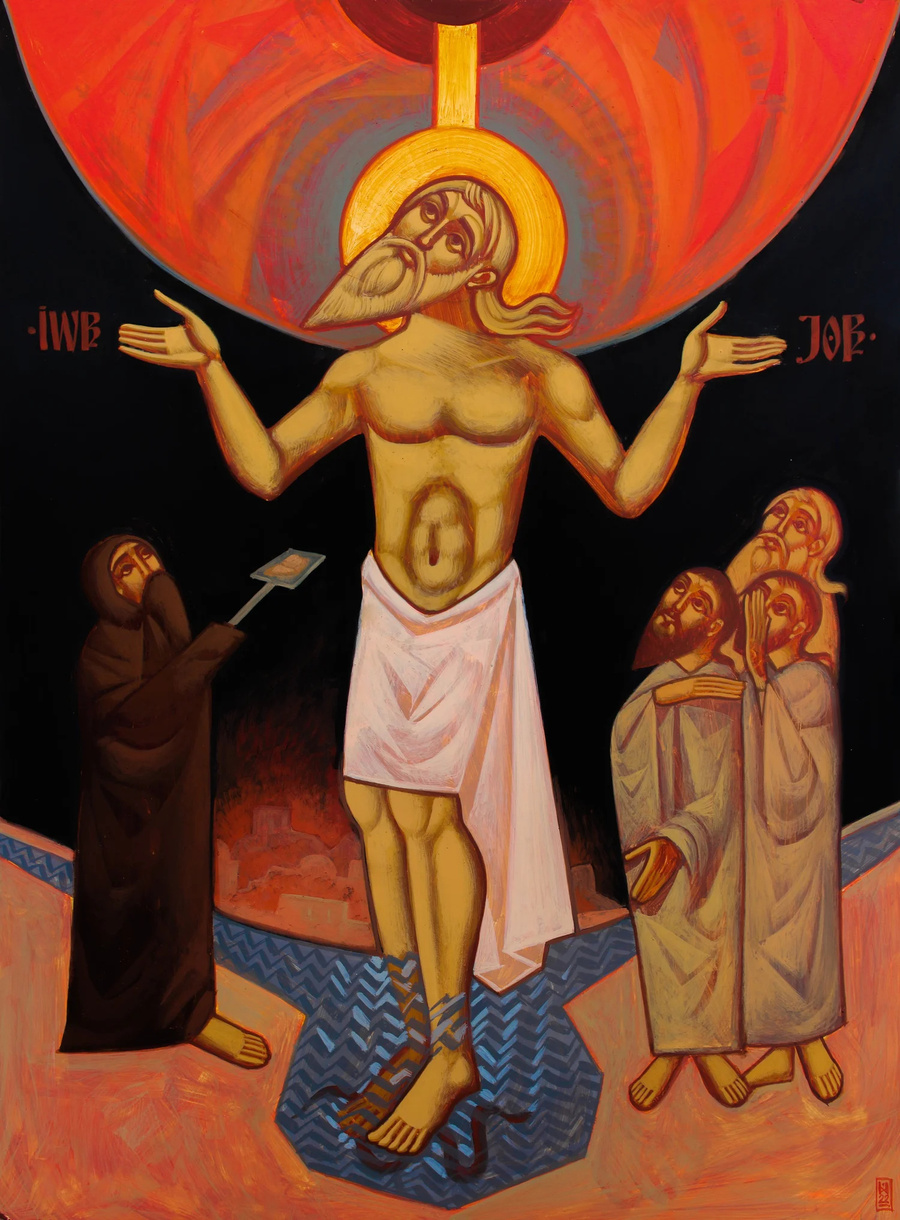
Job · Have You Sinned?
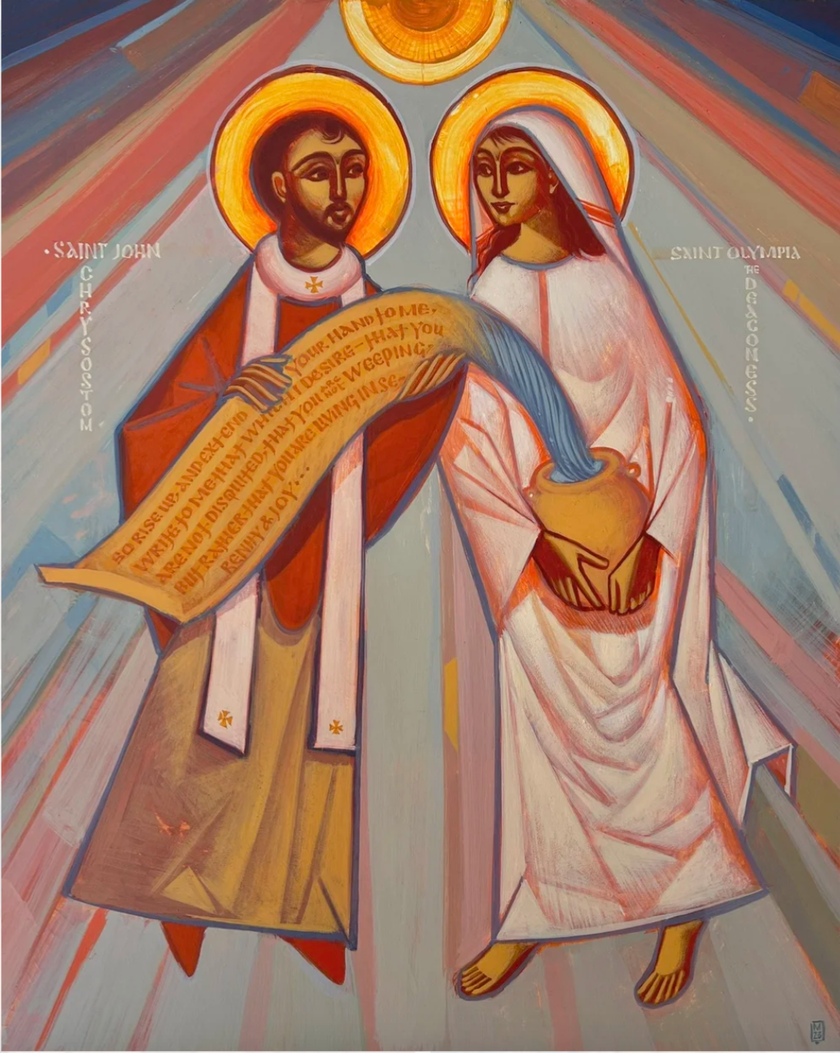
Ss John Chrysostom & Olympia
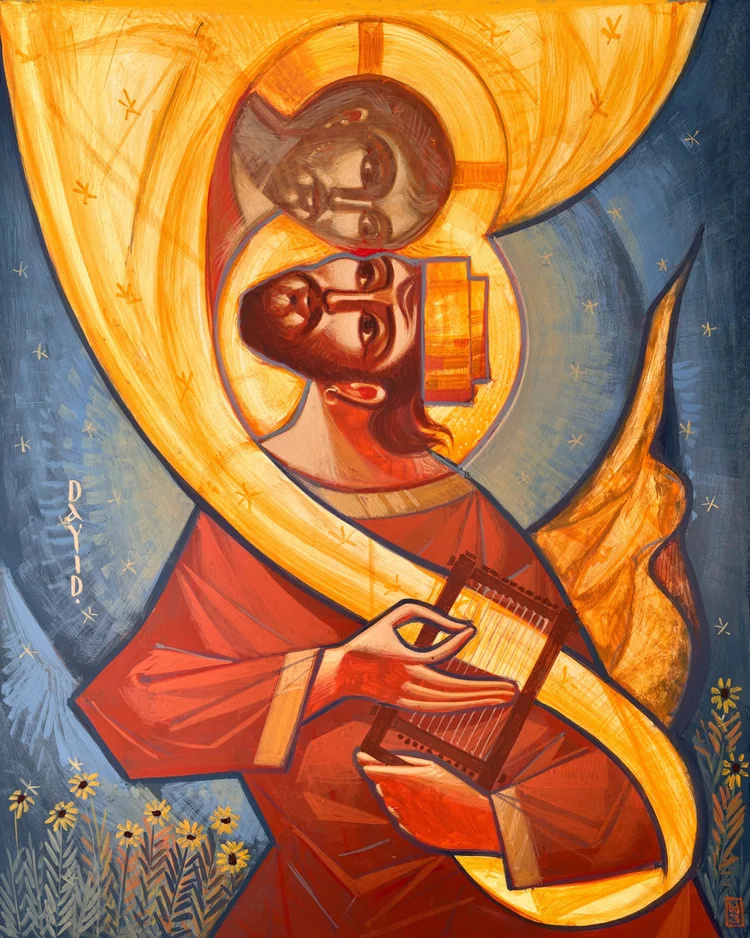
King David · The Psalmist
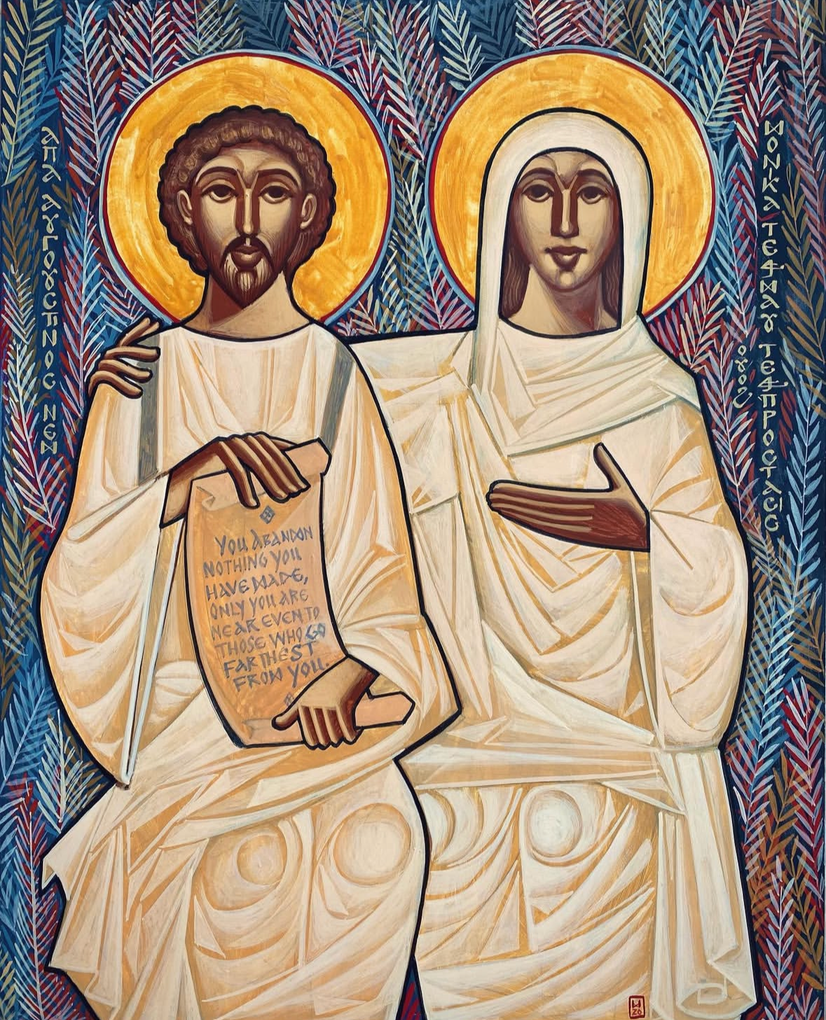
Ss Augustine & Monica · The Restless Heart
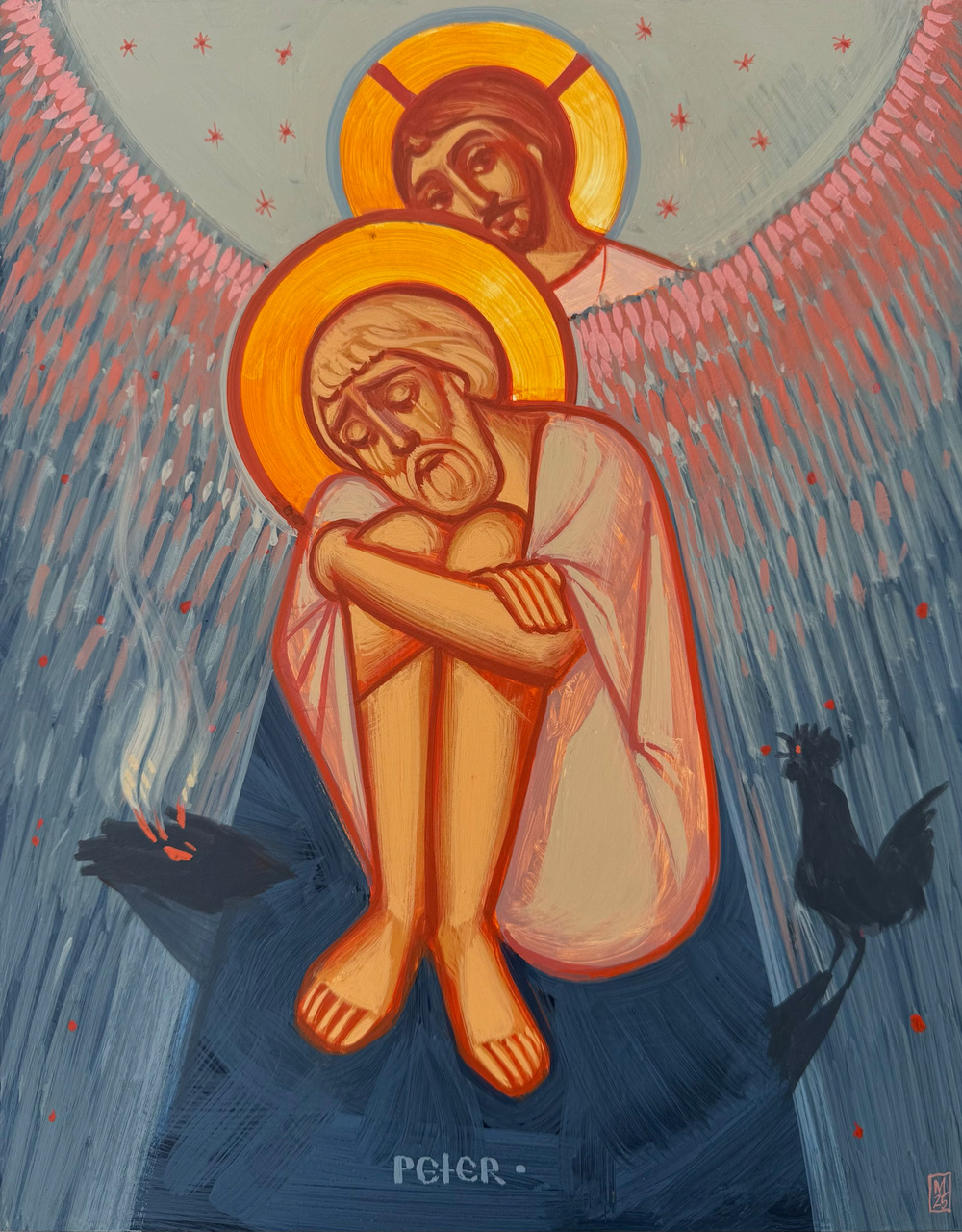
St Peter · Wounded in the Seeking
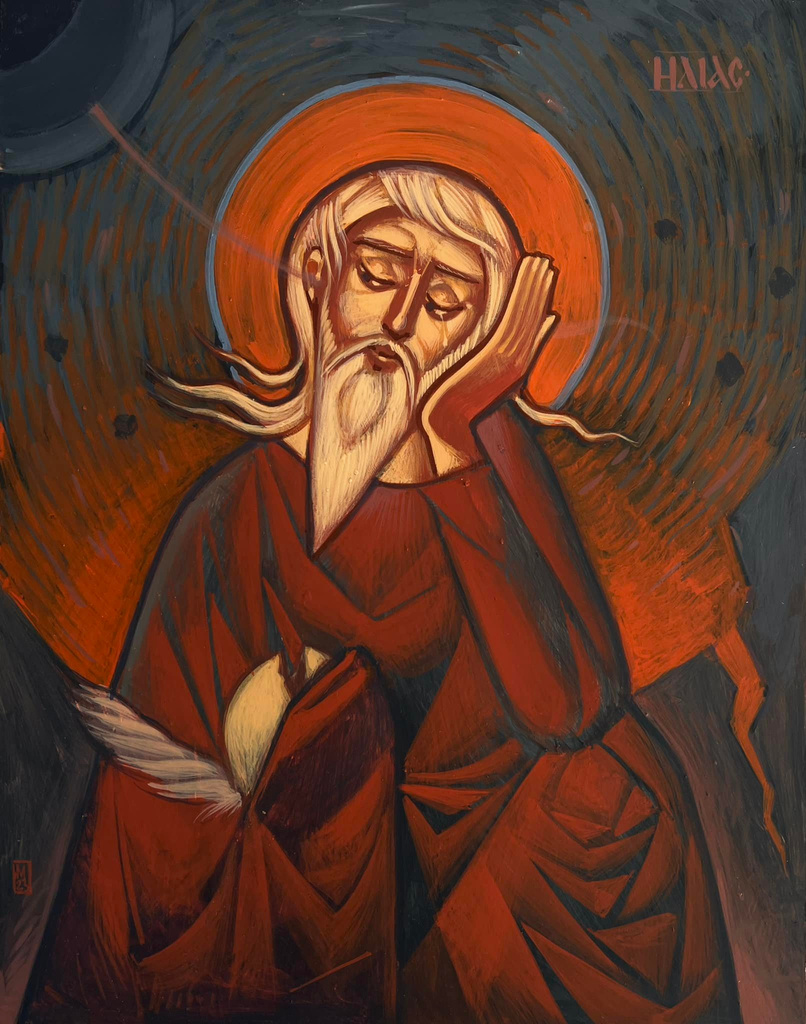
The Prophet Elijah · Descended into Desolation
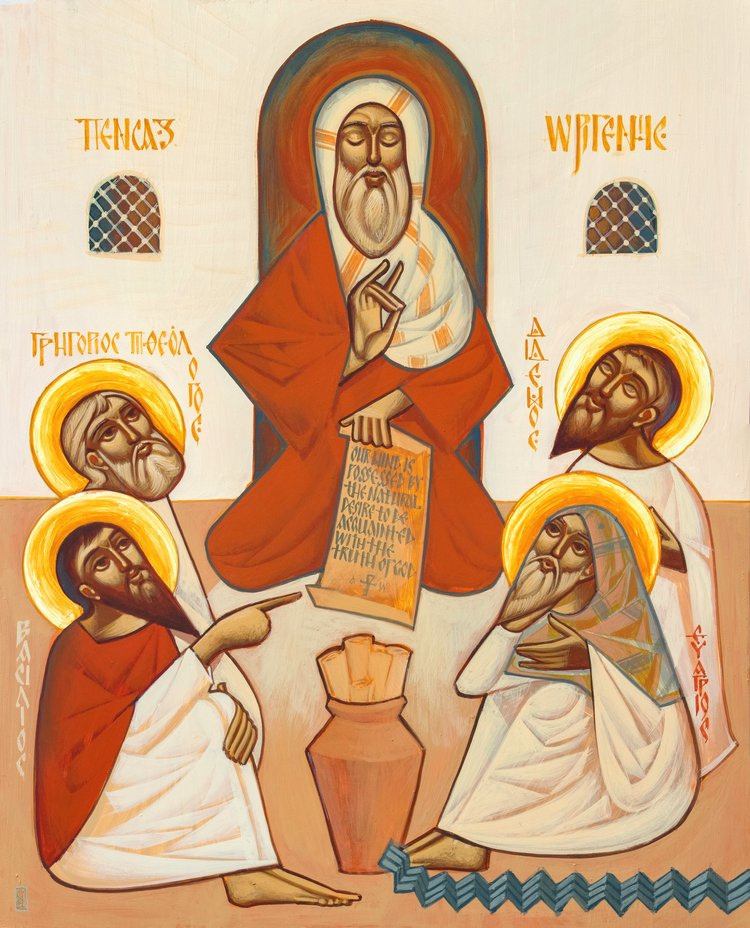
The Desert Fathers · Our Thoughts Determine Our Lives
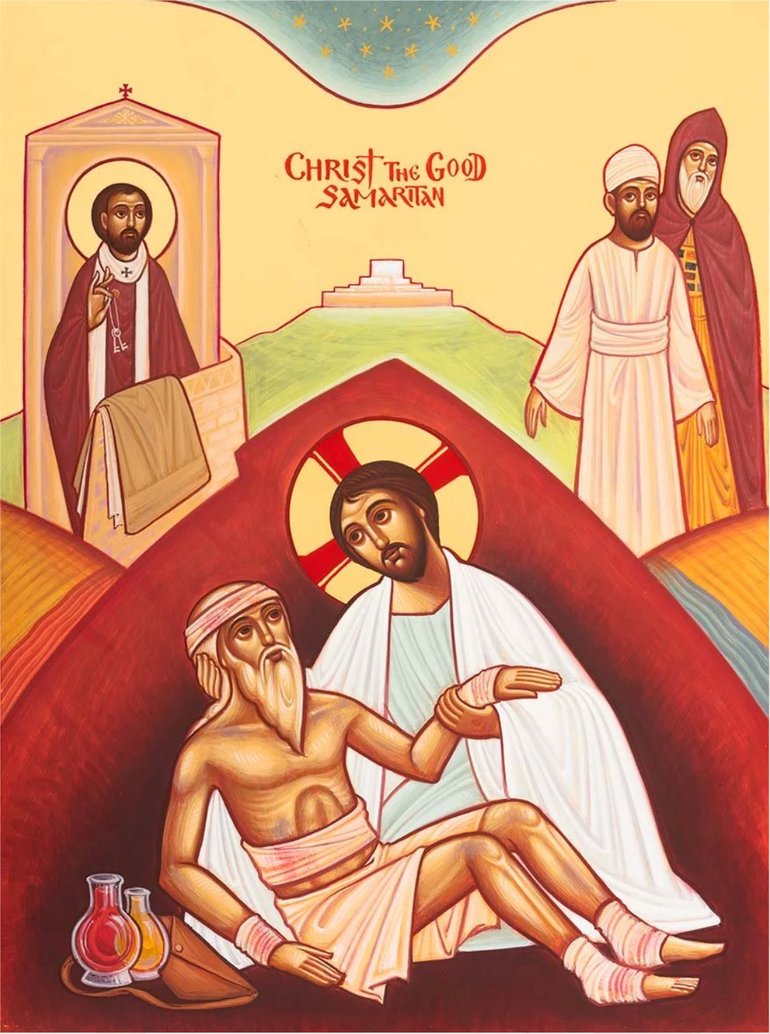
Christ the Good Samaritan
She Stood · The Theotokos at the Cross
Four Dimensions of the Wound
The wounds that every servant carries
The Pastoral Wound
Love given and not returned. Years of faithful investment that seemed to bear no visible fruit. The faces that drifted, the young people who walked away, the relationships that cost everything and seemed to yield nothing. St John Chrysostom preached from this wound even as he was marched into exile.
The Wound of Self-Knowledge
The broken sight of one's own poverty and inconsistency before the immensity of the calling. The gap between what the servant is called to be and what they actually are, visible from the inside in uncomfortable detail. The Fathers call this the gift of honest poverty.
The Wound of the Dark Night
The season of dryness and divine silence in which prayer seems to strike the ceiling and fall back. The monastic tradition does not call this the absence of God. It calls it — with precision — the most hidden form of God's presence. The dark before the dawn is not evidence against the dawn. It is evidence that the dawn is nearer than it appears.
The Holy Wound of Divine Love
The aching longing for God that is itself a kind of suffering, because it reaches toward an infinity it cannot yet fully hold. The Bride in the Song of Songs does not lament this wound. She announces it. The heart that is not yet aching toward God has not yet been struck. The heart that aches has been found.
The Companion Booklet
A day booklet accompanies this Spiritual Day — carrying all twelve contemplations, the facilitator talk, two workshops, the prayers for the wounded servant, and the closing message. It is designed to be prayed through slowly in the weeks that follow.
Explore the Booklet →