“Unless a grain of wheat falls into the ground and dies, it remains alone; but if it dies, it produces much grain.”
St Pishoy Kamel (1931–1979, glorified 2022)
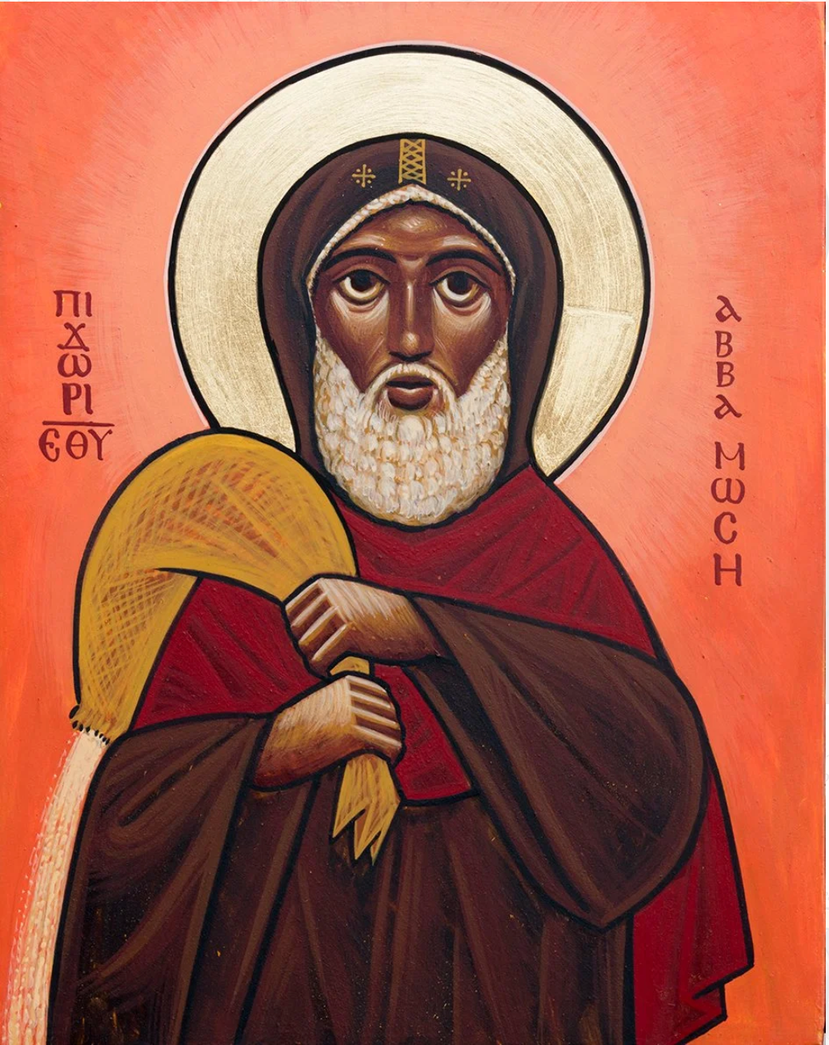
St Pishoy Kamel · The Wound That Bore Fruit in the Dark
In 1976, Fr Pishoy Kamel was diagnosed with cancer. He was forty-five years old. He had spent the previous two decades building souls across Alexandria — founding churches, forming servants, receiving the wounded and the wandering with a quality of attention that those who experienced it never forgot. His was a ministry that had been, by every visible measure, extraordinarily fruitful. And now it was being taken apart, slowly and painfully, by a disease that would claim his life three years later.
What happened in those three years is one of the most remarkable things in the modern Coptic Church’s record of holiness.
People began coming to his sickroom — not to comfort a dying man, as they expected, but because something was happening there that they could not find elsewhere. They came expecting to give, and found themselves inexplicably receiving. Those who had known Fr Pishoy for years said that the encounters in that small room, on that thin mattress on the floor, reached depths that years of his preaching had not reached. The fragrance was stronger in the brokenness than it had been in the strength. The love that had animated his ministry all along was now, stripped of every vehicle except the suffering body itself, simply present — undeniable, undiluted, unmistakably not of human origin.
God had hidden from his eyes the power of his service during his sickness. He did not know.
He lay on the floor, he fasted as his body wasted, he received those who came with the same gentleness he had always had — and he could not perceive the extraordinary work that was passing through him. The seed, buried in the dark of the body’s dying, did not see its own germination. The grain did not watch itself become bread.
This is one of the most important things the servant can hear, and one of the hardest to receive: the wound that bears the most fruit is often the wound from which the servant sees the least. The seasons of service that feel most barren are not necessarily the seasons of least fruitfulness. They may be the seasons in which the grain is falling. But the grain does not see the ground from the inside of the dark.
St Pishoy taught, in those final years: The Cross should be a daily desire, not a punishment to endure. Carrying the Cross is carrying the Throne of our King. He did not speak this from comfort. He spoke it from the thin mattress, from the body being unmade, from the season of greatest hiddenness. And those who heard it received it not as doctrine but as testimony — the testimony of a man who had found, in the wound itself, the very throne he had spoken of all his ministry long.
He departed on 21 March 1979 — two days after the Feast of the Cross. The Holy Synod of the Coptic Orthodox Church glorified St Pishoy Kamel in June 2022. The Church canonised what those who sat in that sickroom already knew: what passed through him in those broken years was not a diminished version of his ministry. It was its fullest expression. The jar had to be broken. And it took the breaking for the fragrance to fill the room.
Servant of God: the seasons you cannot measure are not the seasons that do not count. The fruit you cannot see is not the fruit that does not exist. God may, even now, be hiding from your eyes the power of something He is doing through your wound that you will not be able to perceive until much later.
Give Him the wound. Give Him the dark. The grain buried in the dark is already, in the economy of His love, beginning to grow.